The quick answer
Visit between May and early October. Within that window, June, July, and September are the sweet spot: dry weather, calm seas, manta rays at their peak, and prices that have not yet hit the August peak. Avoid late January to early March if you can; the water gets rough enough that some boats stay in port.
That is the headline. The rest of this is what actually happens each month.
The two seasons
Komodo only really has two seasons.
Dry season runs April through October. Skies clear, wind drops, the islands turn that golden brown you have seen on Instagram. Boats run reliably, snorkelling visibility hits 25 to 30 metres, and mantas swing through the cleaning stations on a predictable schedule.
Wet season runs November through March. Rain comes in short violent bursts, often clearing within an hour. Islands turn green; everything that bloomed during the dry months wakes up again. But strong west winds make the seas choppy and reduce snorkel visibility. Some operators reduce schedules, and on the worst days the harbour master will not let boats leave Labuan Bajo.
It is not as simple as "dry equals good", though. Let us walk through it.
Month-by-month
April
The shoulder month. Rains taper off, but you still get the occasional dramatic afternoon storm. Tourist numbers are low. Prices are at their lowest legitimate level (be sceptical of anything cheaper, it usually means a corner cut). The water still has a slight chop early in the month, smoothing out by the third week.
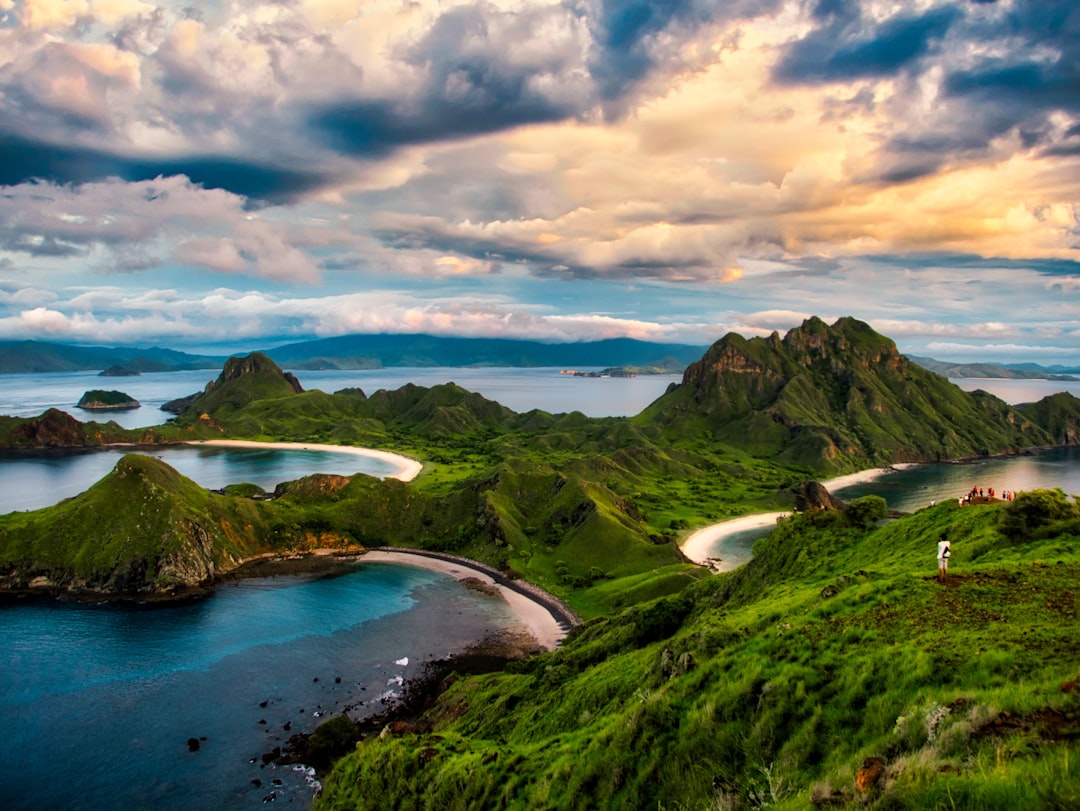
Padar Island grass is still green from the rains. Beautiful for photos but harder underfoot on the hike.
May
The first proper dry month. Visibility opens up. Mantas reappear in numbers. This is when serious divers start booking. We get a lot of Australians and European families who timed for early-season pricing.
Crowds: light. Boat availability: excellent.
June
The first big month. Schools in Europe and Australia start releasing for summer holidays. Mid-June onward you will see the harbour fill up.
Conditions: peak. Calm sea, dry sky, dragons easy to spot in the cooler mornings. The grass on Padar has turned its iconic gold.
July
The pinnacle. Everyone is here. European summer holidays, American school break, the Indonesian holiday rush. Boats book out three to four weeks ahead.
If you want July dates, book early. We are talking March or earlier for the popular liveaboards.
August
July's chaos plus an extra layer. Indonesian Independence Day on the 17th adds a domestic tourism surge. Some sites get genuinely crowded; Padar's sunrise hike at peak August can have 200 plus hikers on the trail.
Conditions remain excellent. Just be ready to share the view.
September
Our personal favourite. The August crowd has gone home. Weather is still bone-dry. Mantas are still at the cleaning stations. Prices ease slightly.
If you are flexible, this is the month we tell our friends to pick.
October
The dry season's last reliable month. Sky starts to soften, the occasional wisp of cloud reappears. Pricing remains shoulder-rate. Crowds drop further than September.
Toward the end of the month yo
u might catch one or two early rain showers, but they pass quickly and clear the air.
November
The transition. Some days are still dry-season perfect. Others bring an afternoon downpour and a sudden 30-knot wind shift. You roll the dice.
Crowds: light. Many liveaboards switch to shorter itineraries to give skippers more weather flexibility. Day trips become more reliable than long open-water cruises.
December
The wet season's gentle opening. Rain is consistent but the heavy storms are still to come. Christmas and New Year are surprisingly busy with Asian and Australian travellers chasing warmth. Book ahead, but expect at least one weather-impacted day per week.
January
The wettest month. Strong west winds dominate. Some operators close from mid-January to early February. The boats that do run will swap itineraries on short notice based on the morning forecast.
If you must travel in January, book a flexible operator and budget at least one rest day.
February
Similar to January for the first half. The second half often gives you a teaser of the dry season returning. Snorkel visibility starts climbing back from 8 to 10 metres up toward 20.
A genuine bargain month for the right traveller: someone happy to swap a day's snorkel for a quiet beach hike.
March
The wet season's grand finale. The last storms come through, then everything dries out within two weeks. Late March can deliver some of the best snorkel visibility of the year as plankton washes out of the bays.
Crowds: still low. Pricing: rising into April rates.
What we recommend
Three personas, three answers:
Honeymoon, anniversary, or "perfect conditions" visit. September. Or late June if you must.
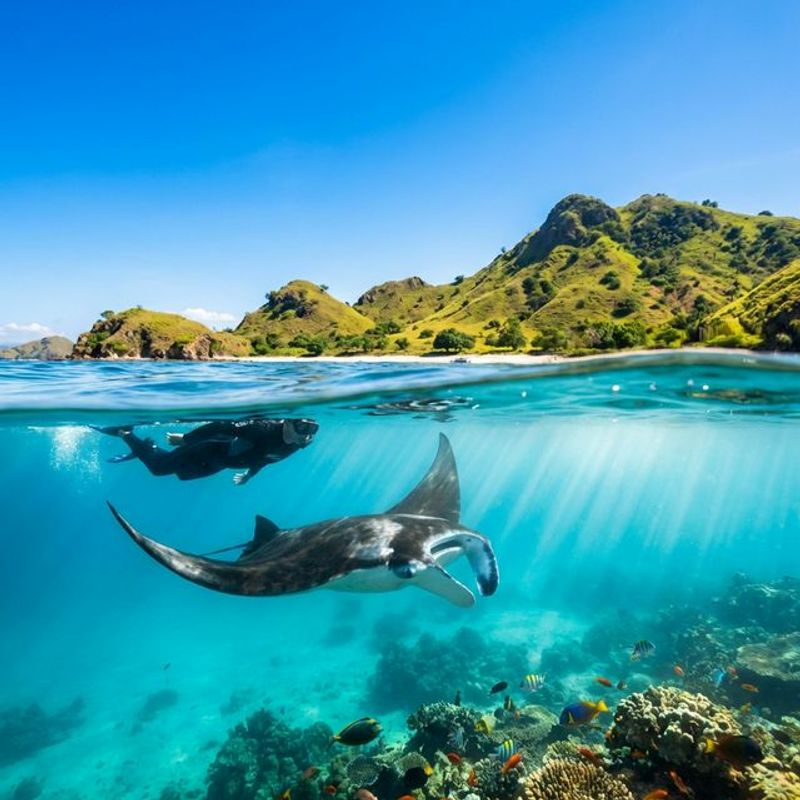
Diving and snorkelling priority. June through August for manta consistency. May or September if you want fewer boats in the water with you.
Adventurer happy to read weather forecasts and roll with it. April or November. You will get good days, lower prices, almost no crowd, and the occasional dramatic storm photo.
What month means for the dragons
Dragons do not care. They thermoregulate by hour, not season. The ranger walks happen mid-morning year-round because that is when dragons are visible but not actively hunting.
Mating season is July to August. Males are more confrontational with each other, occasionally circling slowly around females. The trails are still safe; the behaviour is just more visible.
Cooler months (December to February) see less activity overall. You will still see dragons; they will just nap more.
Bottom line on booking
- Want the easy answer? September.
- Want the cheap answer with acceptable trade-offs? Late April or early November.
- Want the most reliable conditions, money no object? Late June.
Our Komodo day trip and liveaboard cruise run year-round, but we will be honest with you about which month suits your priorities. WhatsApp us before booking if you have a tight window.
For the full park primer (fees, what to pack, where to fly into), the Komodo National Park guide covers the planning side.