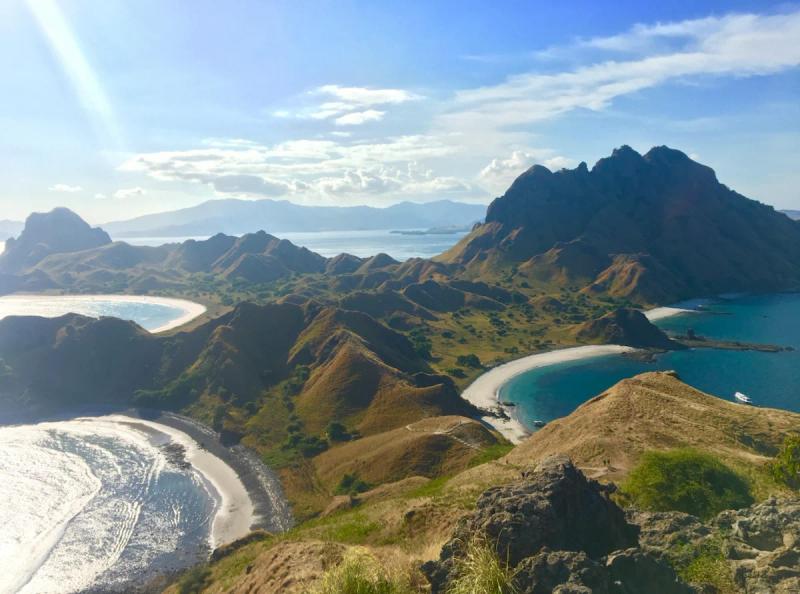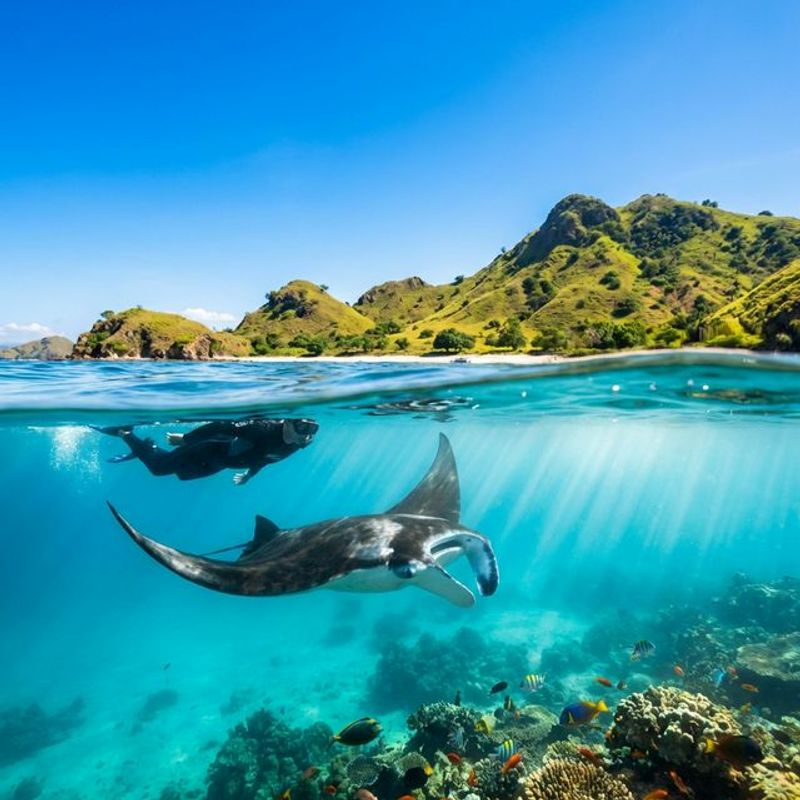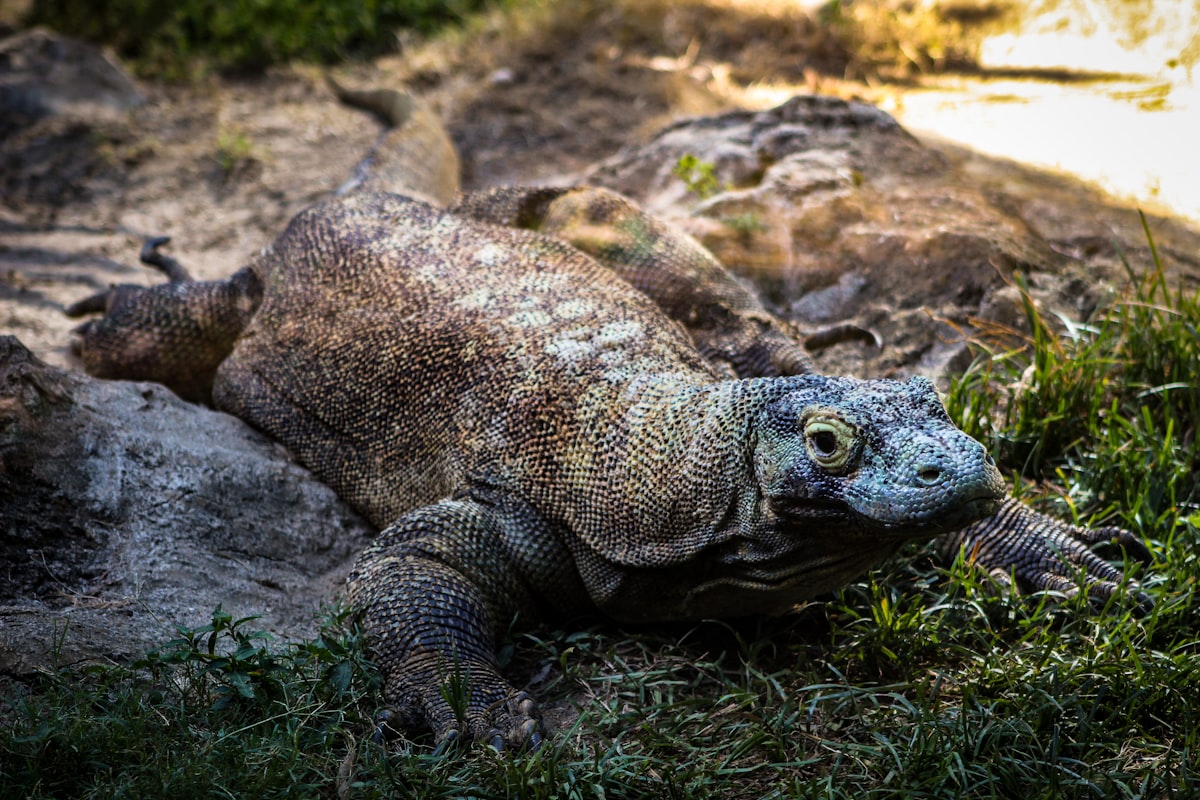
Most "fun facts" lists are recycled. We work on the islands. These are the things our rangers and guides actually tell people, in the order they tend to come up.
The basics, but the real version
1. They are the largest lizard alive on Earth. Adult males reach 3 metres and 70 to 90 kilograms. The official record is 3.13 metres, but reports of 90 kilo plus animals come from Komodo Island regularly.
2. They only live in five places. Komodo, Rinca, Gili Motang, Nusa Kode, and a small population on Flores itself. That is it. Total wild population: around 3,000.
3. The name "dragon" is local marketing. Locals call them "ora". The "dragon" branding came from American Zoological Park staff in the 1920s after the first specimens reached the west. It stuck.
4. They have been around 4 million years. The species predates humans by orders of magnitude. The body design has not needed to change.
The hunting story is wilder than you think
5. They eat anything they can catch. Water buffalo, deer, wild boar, smaller dragons, fish washed up on beaches. A single adult can eat 80% of its body weight in one meal, then not eat again for a month.
6. Their bite is engineered. The teeth are recurved and serrated, like 60 little steak knives. The bite force itself is moderate (around 600 newtons, less than a saltwater crocodile), but the teeth slice rather than crush. A buffalo can survive the bite. Then the second part of the system kicks in.
7. They are venomous, but not how you think. Sequenced in 2009 by Australian researcher Bryan Fry, the venom glands deliver anticoagulants and shock-inducing compounds. The bitten prey bleeds and goes into hypotensive shock. Death takes hours to days.
8. They follow their prey. A dragon that bit a buffalo at dawn will track the wounded animal for days, using its incredible sense of smell, waiting for collapse. We have ranger reports of dragons walking 10 kilometres to find a dying carcass.
The senses are alien
9. They smell with their tongue. Like snakes, dragons flick their forked tongue to collect scent particles, then transfer them to the Jacobson's organ on the roof of the mouth. Each side of the tongue samples independently, giving directional smell.
10. They detect blood from 4 to 9 kilometres away. Wind direction matters more than distance for them.
11. Their eyesight is decent in daylight, terrible at night. They are mostly diurnal hunters. Past sunset they go inert and would not strike at moving prey.
12. They have almost no hearing range. Adult dragons can only pick up sounds between 400 and 2000 Hz. Most human speech registers, but whispers do not. This is why rangers can talk to you near a dragon without alarming it; the dragon registers low murmur, not specific words.
The body does things bodies should not
13. They can sprint 20 km/h. Over flat ground. Most people cannot. Sustained chase: maybe 200 metres b

efore exhaustion. Short ambush attacks are their style.
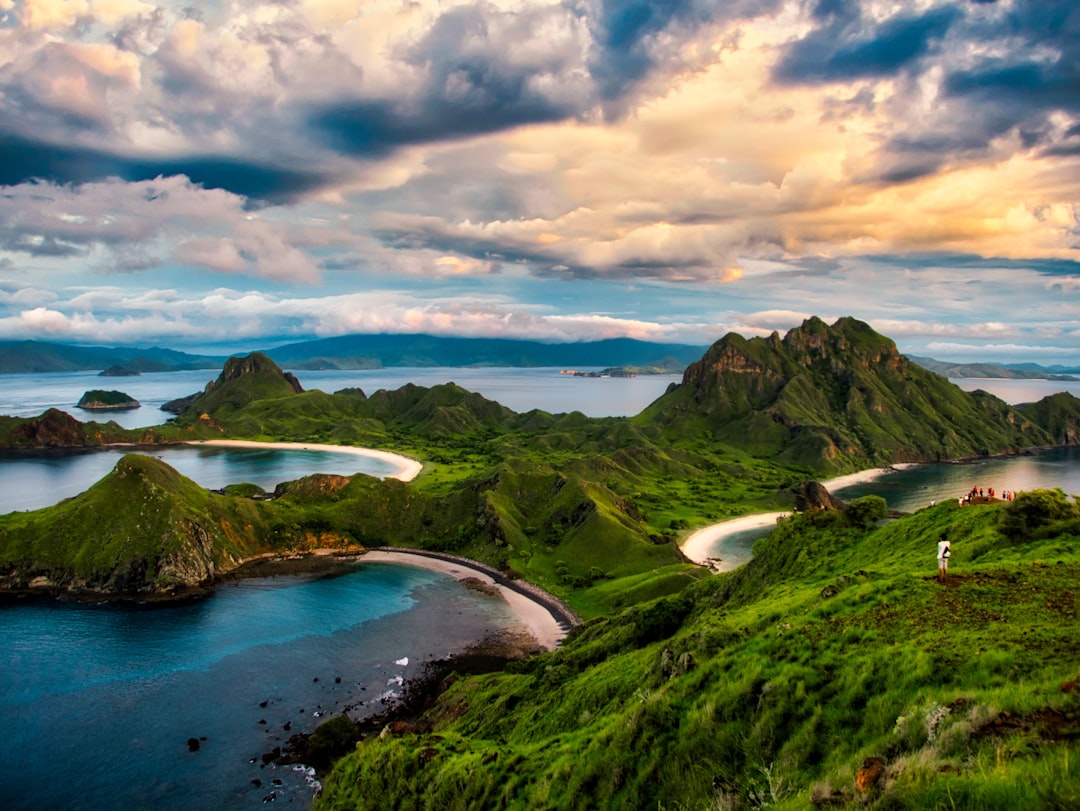
14. They swim. Well. Between Komodo, Rinca, and Padar regularly. A dragon was once tracked swimming 30 km to a new island. They paddle with the tail and use limbs as rudders.
15. They climb trees as juveniles. Young dragons live in trees for the first 3 to 5 years of life, specifically to avoid being eaten by adult dragons. Cannibalism is real and common. Once they reach about a metre in length, they come down for good.
16. Their immune system is exceptional. A protein called VK25 in their blood has antimicrobial properties stronger than most known animal antibiotics. Their body is a constant exposure to bacteria from rotting meat, and they handle it fine.
Reproduction gets weird
17. Females can reproduce without males. Parthenogenesis. Documented multiple times in captive females isolated from males. The offspring are all male (because of the way chromosome inheritance works in monitor lizards). It is one reason the species survives small population bottlenecks.
18. Females guard their nest for three months. They dig burrows up to 9 metres long, lay 15 to 30 eggs, and stay nearby to defend against other dragons. After about three months they leave; the eggs incubate for another 6 to 7 months before hatching.
19. Babies are on their own immediately. No parental care after hatching. The juveniles roll in faeces and climb a tree within hours of leaving the nest. The faeces is a real survival behaviour; it makes them less appetising to adult dragons.
Conservation reality check
20. They are vulnerable, but not as endangered as you have heard. The IUCN classifies them as Endangered as of 2021 (upgraded from Vulnerable). Climate change is the biggest threat: rising seas could swallow Padar and parts of Komodo within decades. The population is genetically diverse, ranging stable in protected areas.
21. The park's ranger system actually works. Komodo National Park has run rangered tours since 1980. Strict trail enforcement, group size limits, and active anti-poaching patrols mean the population in protected areas has held. The same animals are not always so lucky on Flores itself, where rural human-dragon conflict still happens.
See for yourself
The facts read better in the wild. Our Komodo day trip and liveaboard cruise both include ranger-led dragon walks. We will pause on the trail when a guide spots one of those forked tongues sampling the air, and you will think about every line in this article differently.
If you want planning details (when to go, fees, what to pack), our Komodo National Park guide is the place to start.
Worried about safety? Our companion piece, Are Komodo dragons dangerous to humans?, goes through what rangers actually do and what the real risks are.